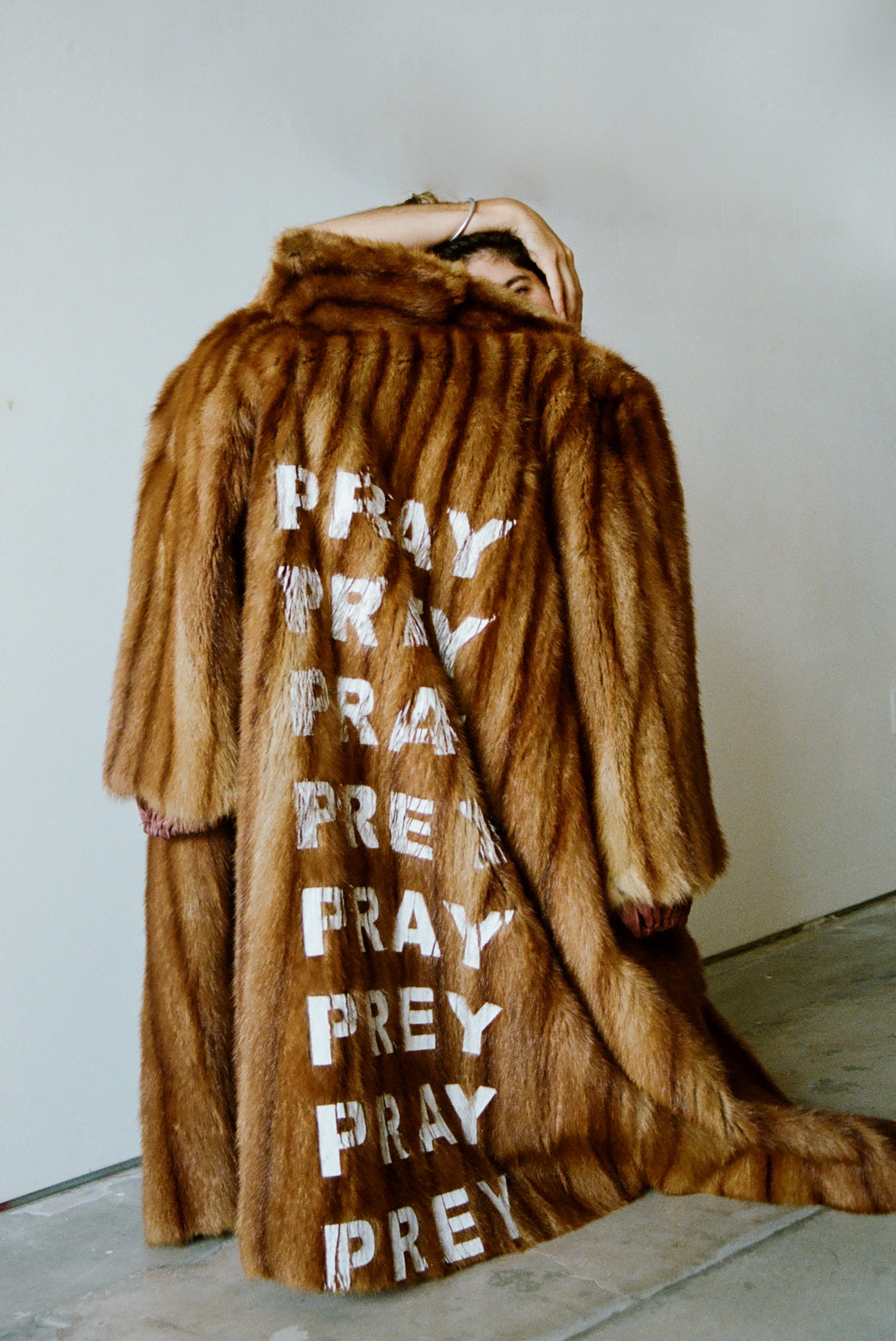
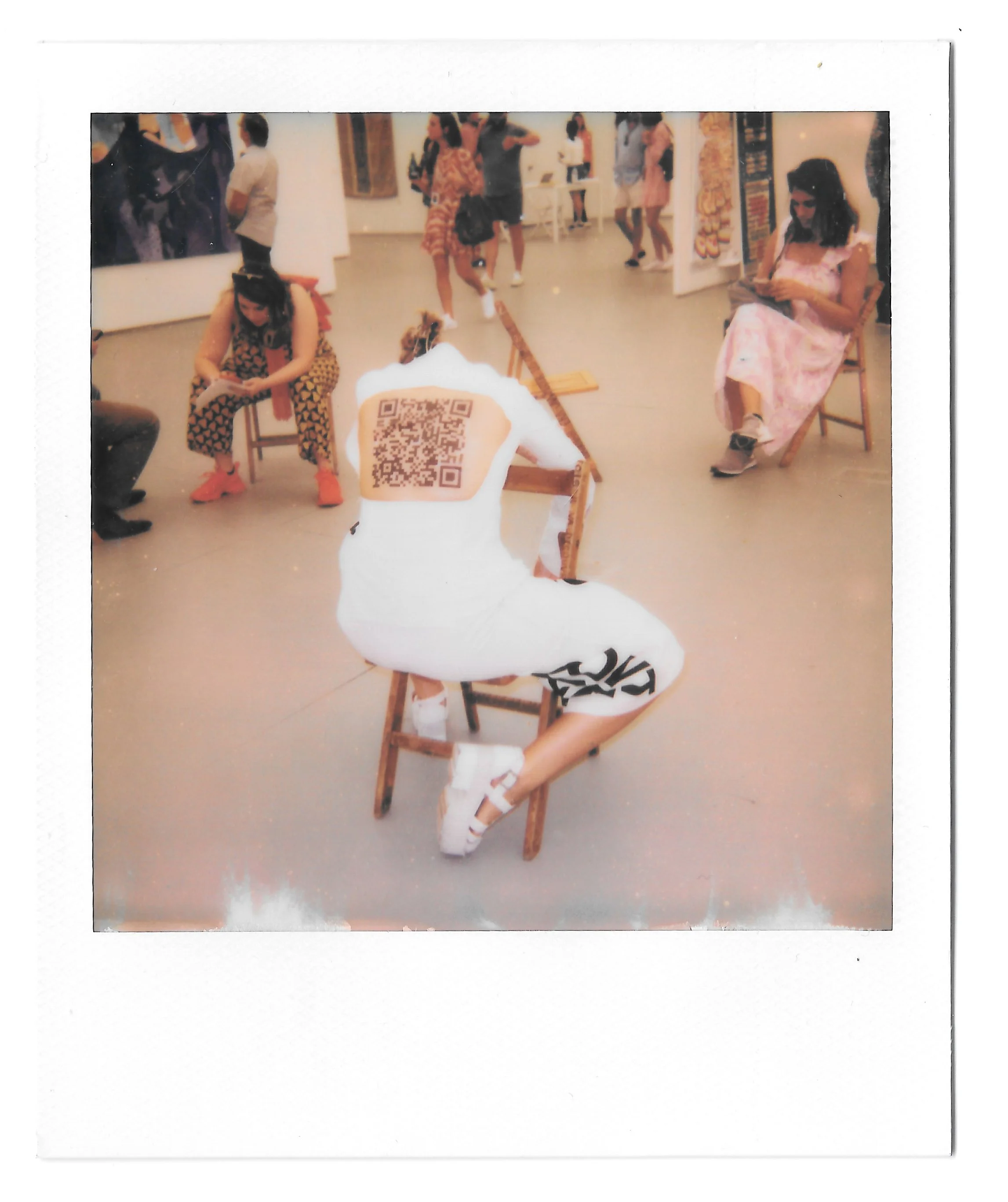
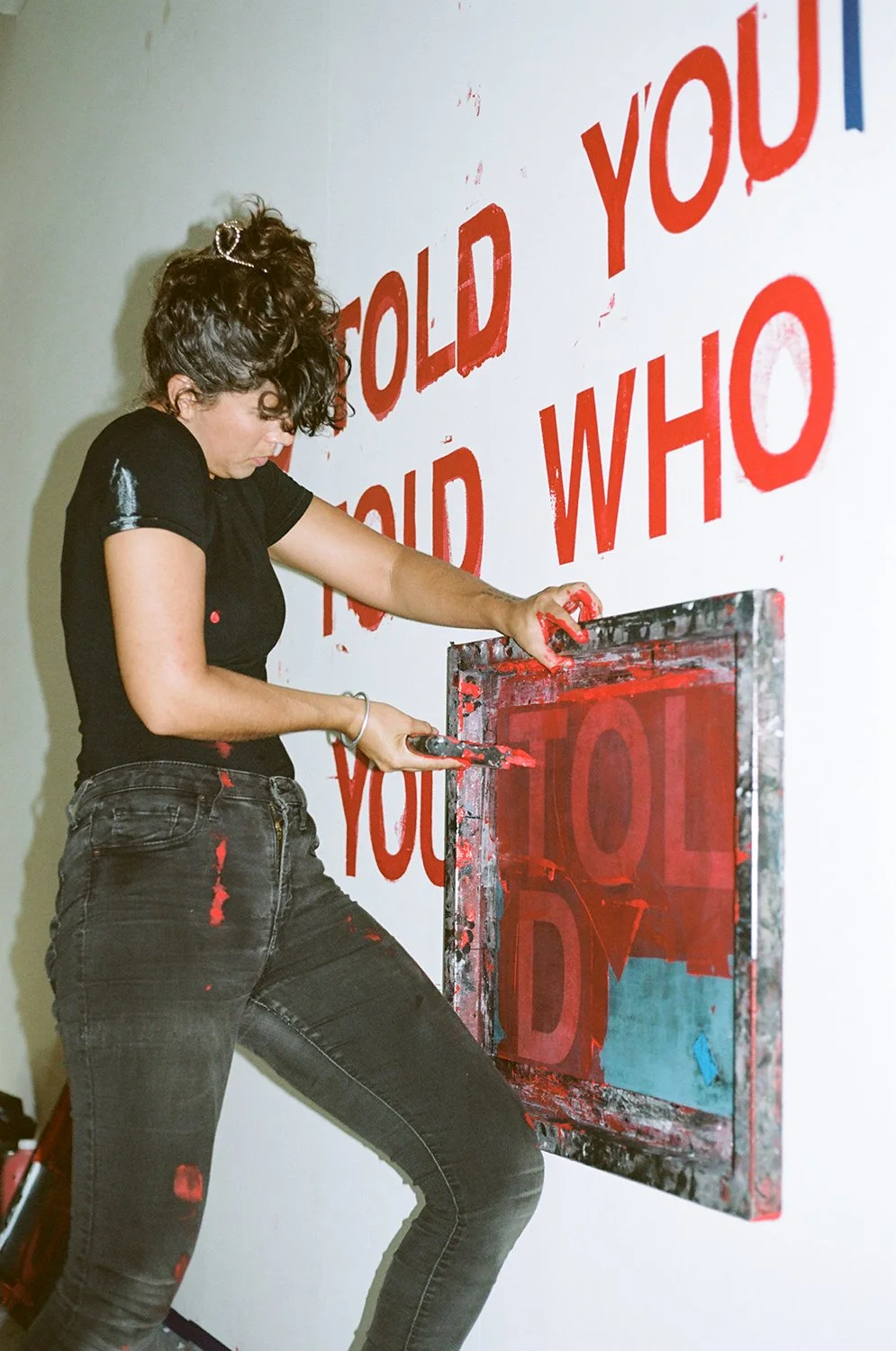
Katelyn Kopenhaver (b. 1992) is an interdisciplinary artist whose work moves between public intervention, performance, text and lens-based practices. Her work interrogates dynamics of trust: asking not who or what we trust but how and why. She received her BFA in Photography from the School of Visual Arts in 2016 and is based in Miami, Florida where she is a studio resident at Bakehouse Art Complex. She has received the NYSCA/NYFA Artist Fellowship (2021) and the Miami Individual Artists Grant (2024). Her work has appeared in The New York Times, New York Magazine, The Brooklyn Rail, Netflix documentaries and Der Greif Issue 18.Her work is held in the collections of The Bunker (Beth Rudin DeWoody), The Standard Hotel, School of Visual Arts Library, and private collections internationally. Current exhibitions include the Every Woman Biennial 2026 at Pen + Brush (New York, NY) and F*ck Art at the Museum of Sex (Miami, FL). Kopenhaver will be an artist-in-residence at SOMA in Mexico City later this year.

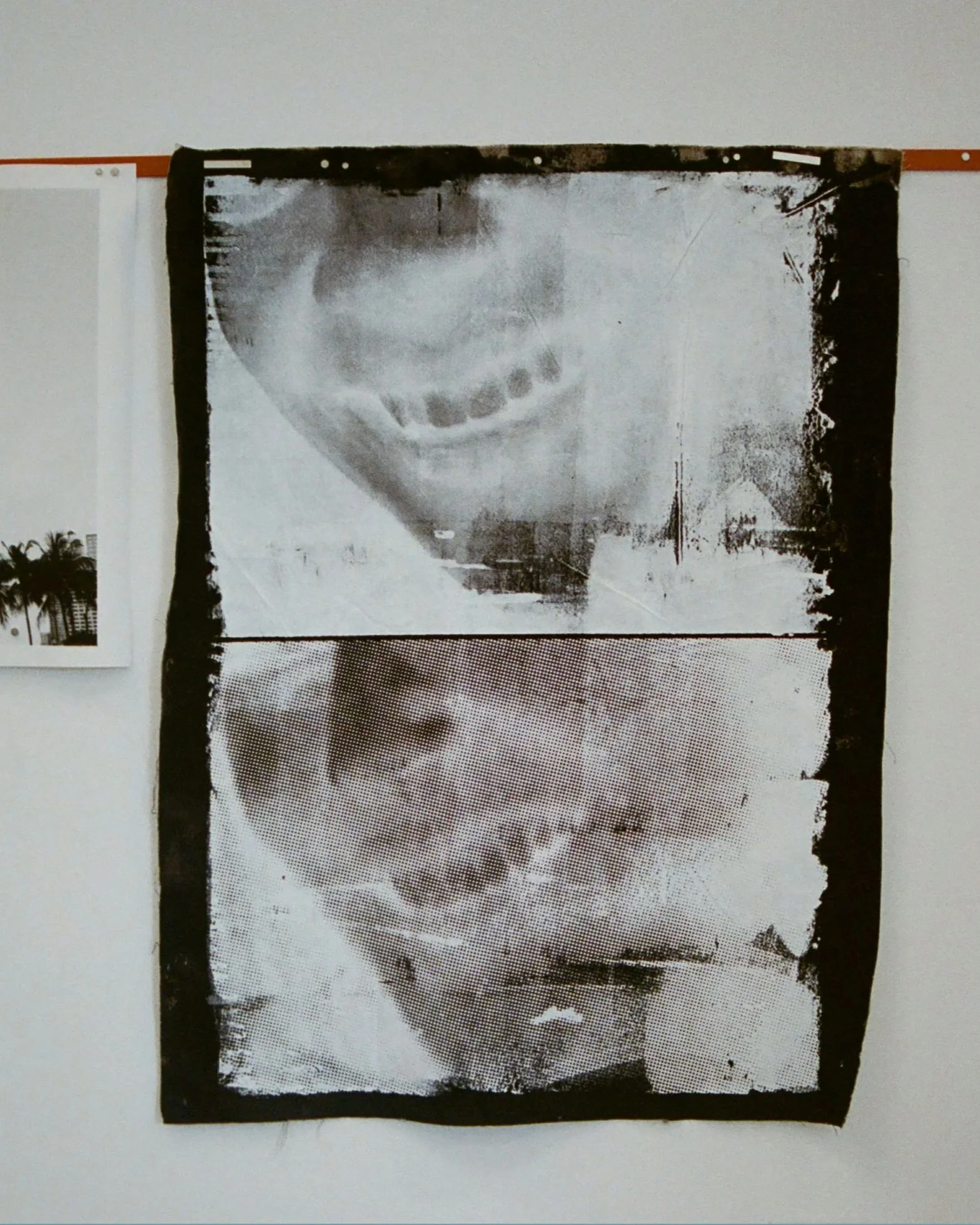
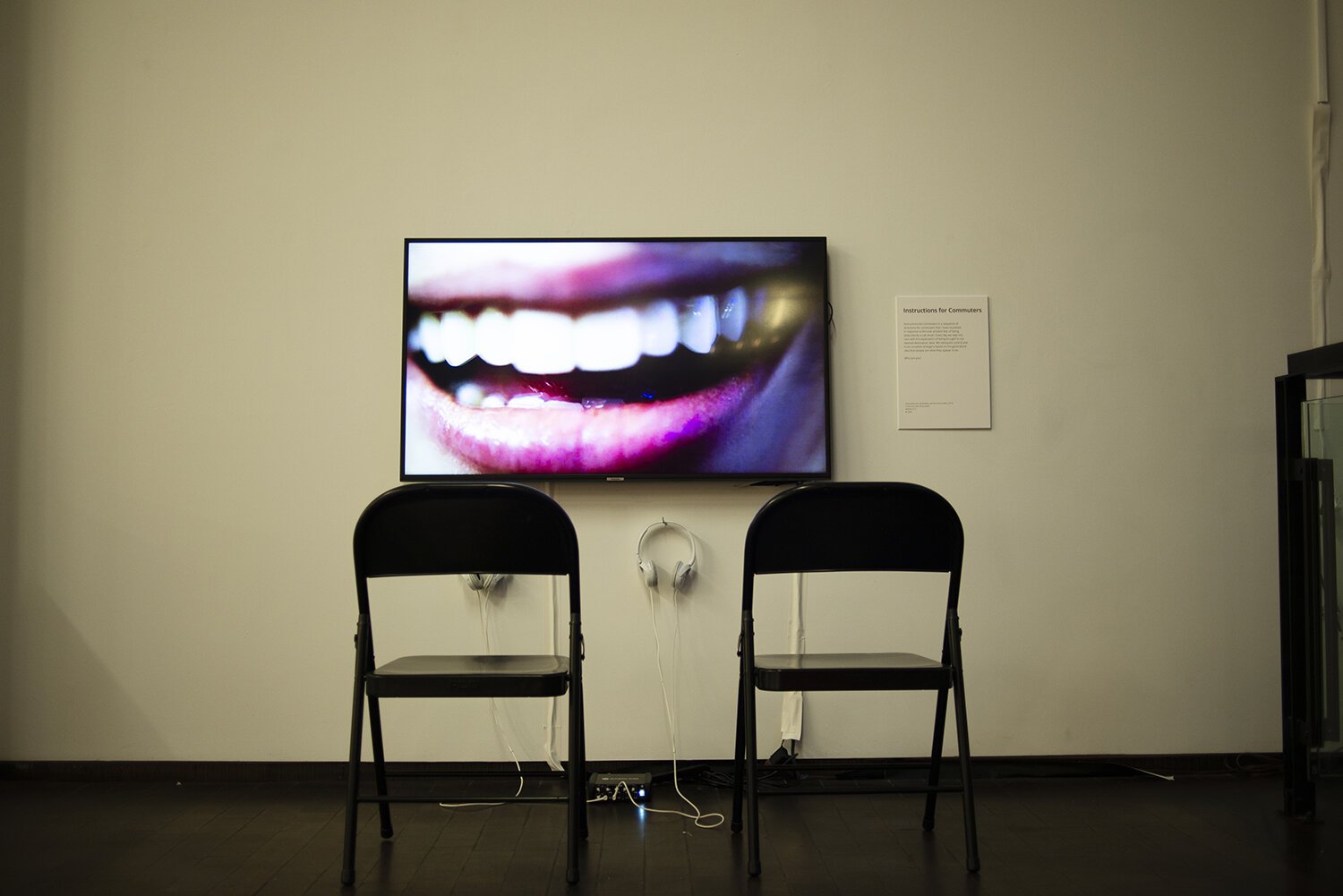
Kopenhaver's practice is marked by a willingness to operate outside institutional boundaries. Her guerrilla works have entered public consciousness in unexpected ways — most notably a 2020 bed sheet intervention referencing Jeffrey Epstein and Ghislaine Maxwell, photographed by the Associated Press and featured across ABC 20/20, The New York Times, NY Post, and Netflix. That work appears in A Yellow Rose Project: Responses, Reflections, and Reactions to the Nineteenth Amendment, an exhibition and publication that has traveled to the Griffin Museum of Photography, Boston University, and Texas Woman's University. Her work also appears in Literally Everyone's Invited, a photography publication edited by Gesi Schilling and Sarah Trudgeon, published by O, Miami. Currently, Kopenhaver is developing What Is Behind a Smile?, pairing her own image with those of polarizing public women (Marie Antoinette, Ghislaine Maxwell, Hillary Clinton and others) examining how collective judgment reduces complex figures to fixed images, and how the smile becomes a site of automatic trust.